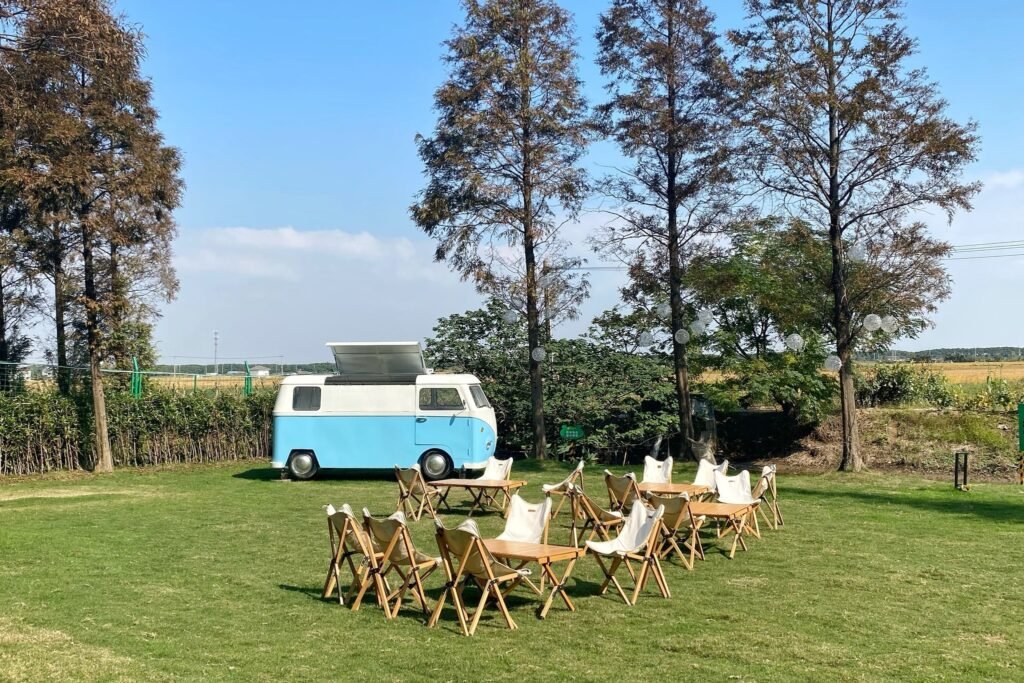
Starting or growing an outdoor retail business is exciting, but purchasing inventory can quickly become one of the biggest challenges.
You may find dozens of products worth selling: camping chairs, tents, sleeping bags, coolers, portable stoves, folding tables and outdoor accessories.
The problem is that ordering every product in large quantities can tie up too much money before you know what your customers actually want.
This is why mixed-order sourcing can be a practical option for independent retailers, small importers, online sellers and growing outdoor brands.
Instead of committing to large quantities of one product, you can explore several product categories and build a more balanced purchasing plan.
1. The Problem With Buying Too Much of One Product
Imagine you run a small outdoor equipment store.
You find a camping chair that looks promising. The supplier offers a competitive price, but the minimum order is much higher than your current sales volume.
You decide to buy a large quantity to get the better price.
A few months later, you discover that customers prefer another style, or demand is seasonal. You now have too much stock and less money available for other products.
This is a common inventory challenge for smaller businesses.
The issue is not necessarily that the product is bad. It is that the purchasing quantity does not match your actual market demand.
A more flexible purchasing approach allows you to test different products before committing to larger quantities.
Get a quote for a mixed first order →
2. Why a Mixed Product Range Can Be More Practical
Outdoor customers do not always shop for just one item.
Someone buying a tent may also need a sleeping pad, camping chair, folding table, cooler or cooking equipment.
For retailers, offering complementary products can create more opportunities to serve the same customer.
A mixed outdoor product order might include:
Camping and shelter
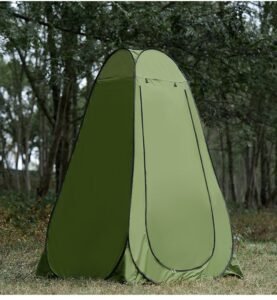
- Family tents
- Backpacking tents
- Tarps and canopies
Sleeping and comfort
- Sleeping bags
- Inflatable sleeping pads
- Camping hammocks
Outdoor living
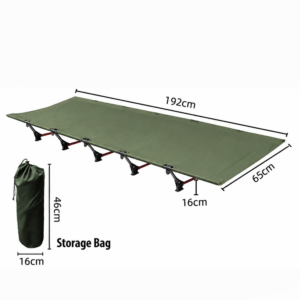
- Folding chairs
- Camping tables
- Storage solutions
Camp cooking and cooling
- Portable stoves
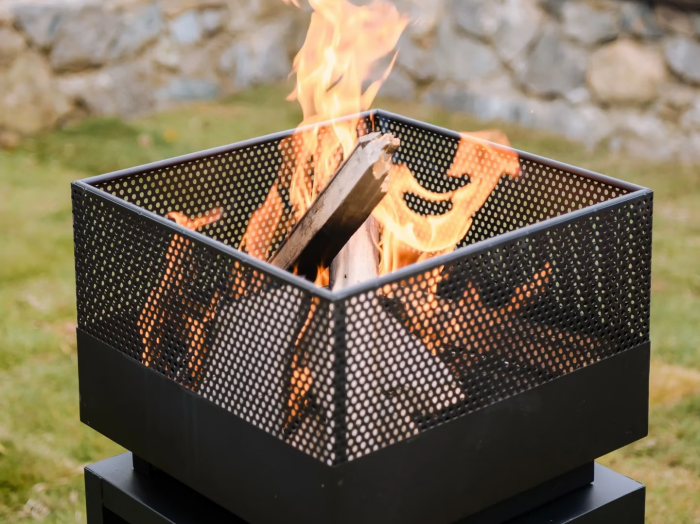
- Fire pits and grills
- Cooler boxes and cooler bags
Water activities
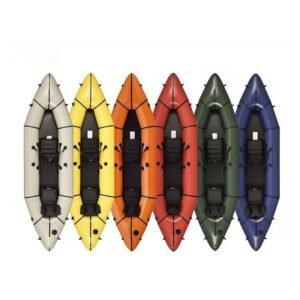
- Inflatable kayaks
- Paddles
- Water sports accessories
This approach can help a retailer develop a more complete outdoor product range without depending entirely on one product category.
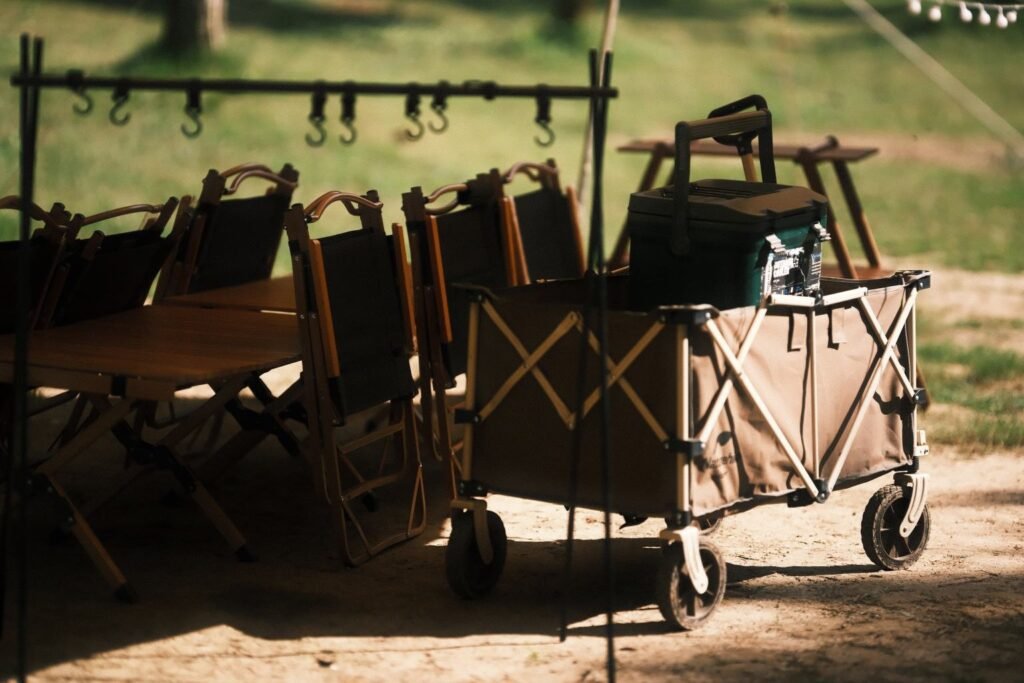
Explore the MiiChill camping tent collection, sleeping gear and camping furniture to see how different categories can complement one another.
3. Mixed Orders Can Help You Test Market Demand
Not every product will perform equally well in every market.
A lightweight backpacking tent may appeal to specialist outdoor customers, while a family tent may attract casual campers and families.
A compact cooler may be suitable for day trips, while a large wheeled cooler may appeal to customers who travel by car or spend extended periods outdoors.
Rather than assuming which products will sell best, consider testing a selection.
A simple process could look like this:
Step 1: Choose a few product categories.
Start with the categories that match your existing customers.
Step 2: Select products with different uses and price positions.
For example, combine practical everyday camping products with a few higher-value items.
Step 3: Confirm each product’s MOQ and availability.
Different factories and products may have different requirements.
Step 4: Test sales performance.
Track customer interest, conversion rates, product returns and feedback.
Step 5: Reorder the products that perform well.
Once you understand demand, you can focus more purchasing budget on proven products.
This is not a guarantee of lower costs or faster sales. It is a way to make purchasing decisions with more information and less dependence on a single product.
Browse tents to test in your market →
4. Why Working With Multiple Factories Can Be Difficult
Mixed orders sound simple, but coordinating different manufacturers can create extra work.
One factory may finish production earlier than another. Different suppliers may use different packaging standards. Product specifications, shipping arrangements and payment requirements may also vary.
If you communicate with every manufacturer separately, you may need to manage several conversations and delivery schedules.
For a small business without a dedicated purchasing team, this can take valuable time.
MiiChill’s sourcing process is designed to help coordinate products from different manufacturers.
According to our sourcing process, we coordinate stock, custom production and multiple suppliers, with options for partial or combined shipment depending on the order.
The actual arrangement depends on the selected products, supplier schedules and shipping requirements.
5. How to Build a Balanced First Order
A good first order should reflect your customers, your available budget and your storage capacity.
Here is an example of how a small outdoor retailer might plan a product selection:
| Product group | Possible role in your range |
|---|---|
| Camping chairs | Practical everyday products |
| Folding tables | Complementary camping furniture |
| Sleeping pads | Comfort and sleeping products |
| Small tents | Entry-level shelter options |
| Cooler boxes | Road trips, picnics and camping |
| Accessories | Additional useful items |
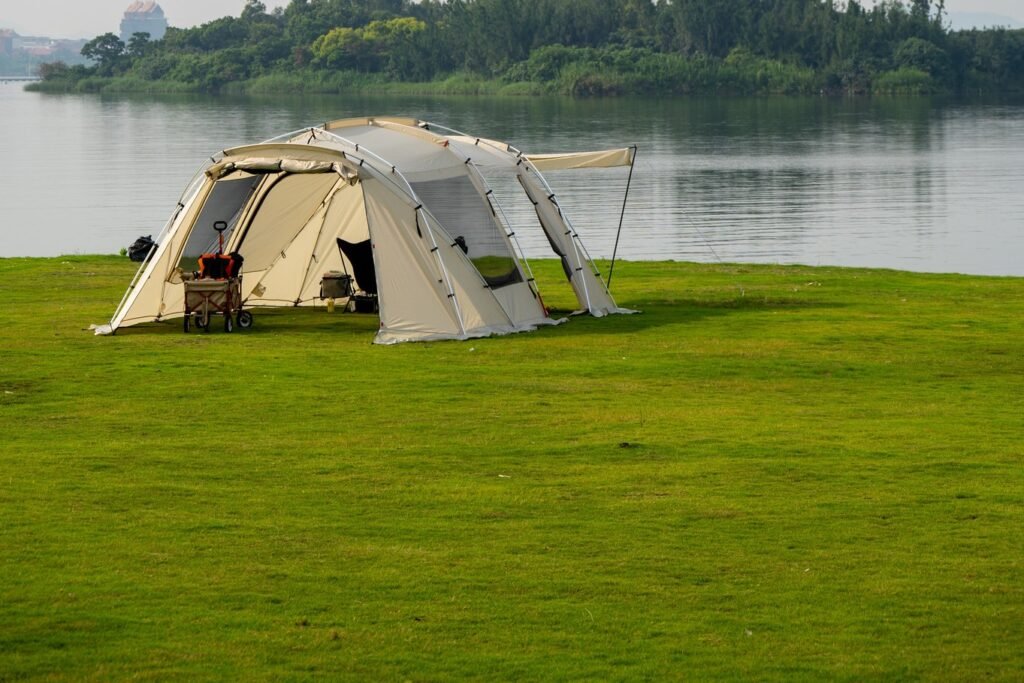
You do not need to purchase every category immediately.
Start with products that share similar customers and usage scenarios. A retailer focused on family camping may prioritise tents, coolers, chairs and tables. A store serving backpackers may focus more on lightweight tents, sleeping gear and compact accessories.
You can explore coolers and cooler bags and outdoor accessories to develop a product mix that fits your business.
6. Do Not Ignore the Details Behind MOQ
A low minimum order quantity can be attractive, but it is important to understand what the supplier means by it.
MOQ may refer to:
- Minimum quantity per product
- Minimum quantity per colour
- Minimum quantity per size or model
- Minimum quantity for custom branding
- Minimum order value
- Minimum quantity for a combined shipment
For example, a factory may accept a small order for a standard product but require a larger quantity for a customised colour or private-label package.
Always ask for product-specific MOQ details before planning your order.
At MiiChill, minimum quantities depend on the product and sourcing arrangement. We encourage buyers to send their selected product list so that the requirements can be confirmed clearly.
Ask us about MOQ for your products →
7. Is Mixed-Order Sourcing Right for Your Business?
Mixed-order sourcing may be particularly useful if you are:
- Opening a new outdoor retail store
- Testing a new product category
- Running a small e-commerce business
- Building a private-label outdoor brand
- Expanding from camping into water sports
- Working with limited storage or purchasing budgets
It may be less suitable when a product requires a highly specialised production process, large custom tooling investment or a substantial factory commitment.
The best approach depends on your product specifications and commercial goals.
Build Your Outdoor Product Range With MiiChill
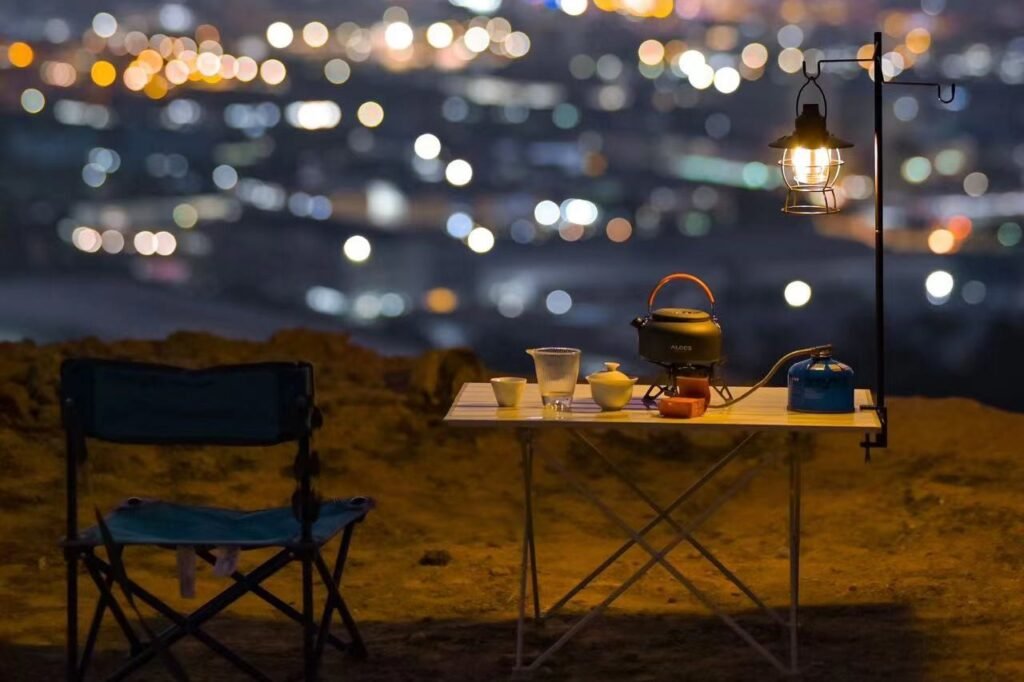
MiiChill helps outdoor businesses explore products across multiple categories through flexible sourcing and mixed-batch purchasing.
Our collections cover tents, sleeping gear, camping furniture, coolers, stoves, tarps, water sports products and accessories.
You can browse products, build a selection and send one inquiry for your sourcing requirements.
Visit the MiiChill catalogue or request a wholesale quotation.
Tell us what products you are looking for, your estimated quantities and destination country. We can then review the sourcing options with you.
Start with a product mix that makes sense for your business — not simply the largest order you can place.
Related Wholesale Products
Products matched to this article’s topic. Wholesale only — prices on request.